Supporting Children’s Well-Being After Mozambique’s Floods
From Crisis to Recovery. Supporting Children’s Well-Being After Mozambique’s Floods
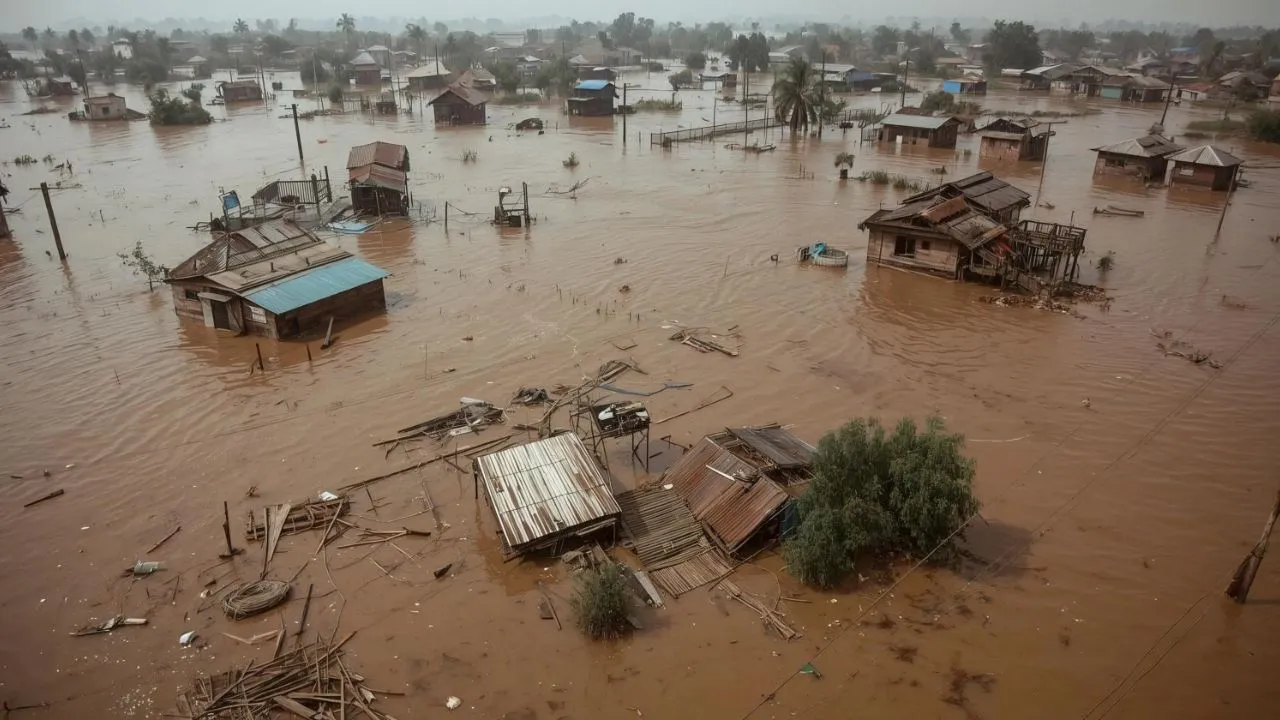
For three consecutive weeks at the beginning of this year, communities across Mozambique endured relentless rainstorms that triggered widespread flooding. Health centres, homes, and schools were submerged, disrupting daily life and profoundly impacting children’s safety, learning, and well-being.
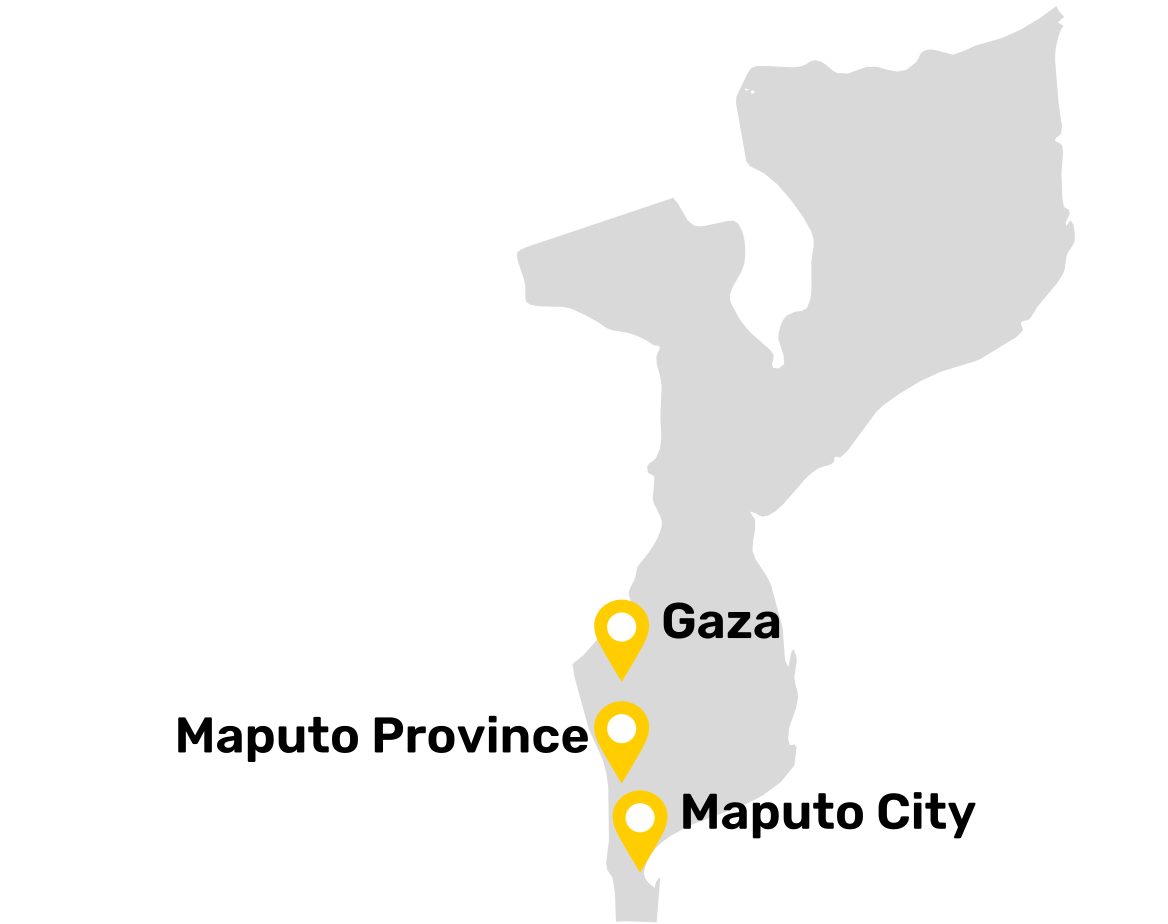
More than 600,000 people were affected nationwide, including families in Maputo and Gaza provinces where Right To Play operates. While Cyclone Gezani did not directly hit our program areas, the sustained flooding severely disrupted the districts where we work with children and schools.
How Was Right To Play’s Work Impacted?
The emergency affected all operational areas, including the SHARE project in Gaza and Maputo. In the Chókwè region, both the river and dam overflowed, flooding entire communities. Right To Play evacuated staff for safety, temporarily closed our office, and relocated equipment and materials to secure locations.
Of the 66 schools supported through the SHARE project:
- 51 schools are flooded
- 9 schools have been converted into resettlement centres for displaced children and families
- The remaining schools are currently inaccessible
This disruption has halted learning and removed safe spaces that thousands of children rely on every day.
Affected Areas
What Is the Risk for Children?
The floods have created significant learning loss for more than 55,000 children. Education materials and school uniforms have been destroyed, leaving many children without the tools they need to return to class.
Beyond academic disruption, emergencies heighten protection risks. Schools are not only places of learning but also safe environments that support children’s social and emotional development. When that protective structure disappears, children face increased vulnerability.
Children, particularly girls living in displacement centres, face heightened risks of Sexual and Gender Based Violence. Limited access to hygiene supplies and sanitation facilities increases exposure to communicable diseases. Severe shortages of medical supplies, PPE, and essential hygiene items further threaten children’s physical health and overall well-being.
The impact is disproportionate for young people. Without immediate intervention, setbacks in education, protection, and health can have long-term consequences for their development and future opportunities.
When Disaster Strikes, Learning Must Continue
Right To Play is extending support in the affected districts alongside government partners and NGOs to coordinate response efforts and identify urgent priorities. Our goal remains clear: Children must be protected, supported, and able to return to learning as quickly and safely as possible. Currently, we are working with teachers to deliver classes for children twice a week until it is safe to resume normal schooling.
Why Play-Based Learning During Emergencies?
In times of crisis, children need more than infrastructure. They need emotional safety, connection, and hope.
Play is a powerful tool for restoring empathy, solidarity, and trust. In displacement settings where families have experienced loss and trauma, play-based activities help children reconnect with peers, rebuild confidence, and regain a sense of normalcy.
Right To Play continues to facilitate community dialogues and mentorship sessions both in and out of school. Many children have lost homes, possessions, and in some cases loved ones. These sessions create safe spaces where children can express themselves, process trauma, and begin to heal.
Through play, children laugh again. They learn again. They begin to imagine a future beyond the floods, and your support can make this a reality.
