The SHARE Project: Transforming Health Education Through Play
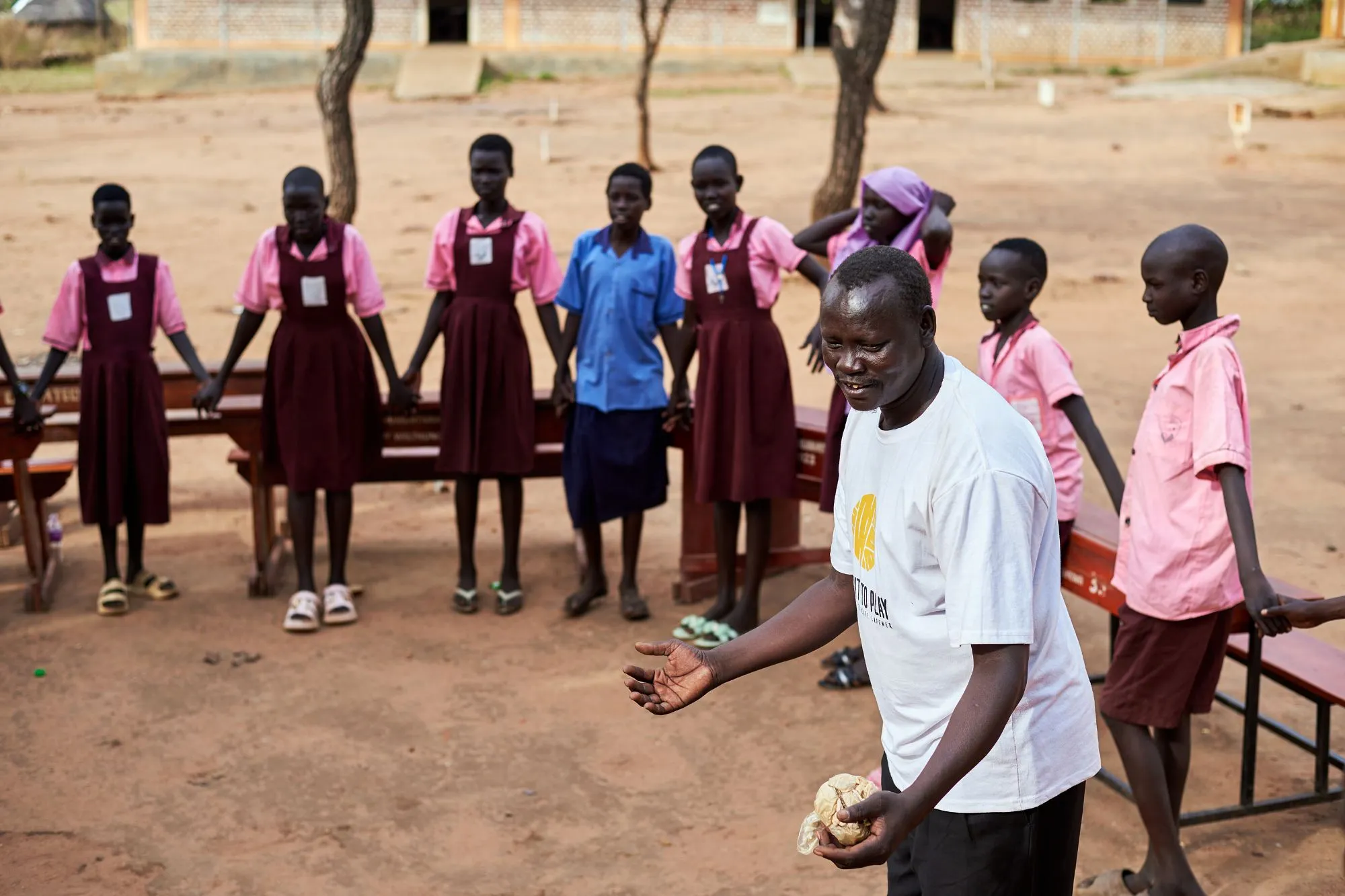
In a small school in Uganda, a group of students gathers under a tree, rehearsing a play about puberty and health rights. Laughter mixes with concentration as they take turns acting out scenes that, just months ago, would have been considered too taboo to mention. Their teacher watches proudly—this is not just a performance, but a sign of transformation.
Breaking Barriers to Health and Education
Across Ghana, Mozambique, and Uganda, young people face steep challenges as they grow up. In Uganda, one in four adolescent girls aged 15 to 19 has already begun childbearing—a rate that has barely changed in 15 years. In Mozambique, nearly four in ten girls in the same age group have begun childbearing. In Ghana, 15% of girls aged 15 to 19 have already been pregnant.
These statistics reflect deeper systemic issues: lack of reliable information, limited access to youth-friendly healthcare, and persistent stigma around sexual and reproductive health. In many communities, there’s a belief that educating youth about these topics encourages early sexual activity. Combined with entrenched gender inequalities, these attitudes leave young people—especially girls—unable to make informed decisions to protect their health, avoid early pregnancy, stay in school, and plan their futures.
Changing Classrooms, Changing Communities
The Sexual Health and Reproductive Education (SHARE) project is a five-year initiative (2021–2026) funded by the Government of Canada through Global Affairs Canada. Led by Right To Play, in partnership with FAWE, FHI 360, and WaterAid, SHARE is working to advance gender equality by improving access to comprehensive sexual and reproductive health education and gender-responsive care for youth aged 10–24.
Through SHARE, more than 425,000 youth have gained the knowledge and support they need to make informed decisions about their health. In Ghana, the percentage of adolescents who could name modern contraception methods rose from 68% to 91%, and those who could explain emergency contraception increased from 56% to 80%. In Mozambique, correct answers about emergency contraception grew from 27% to 60%.
“Children understand so fast when you teach them through play.”
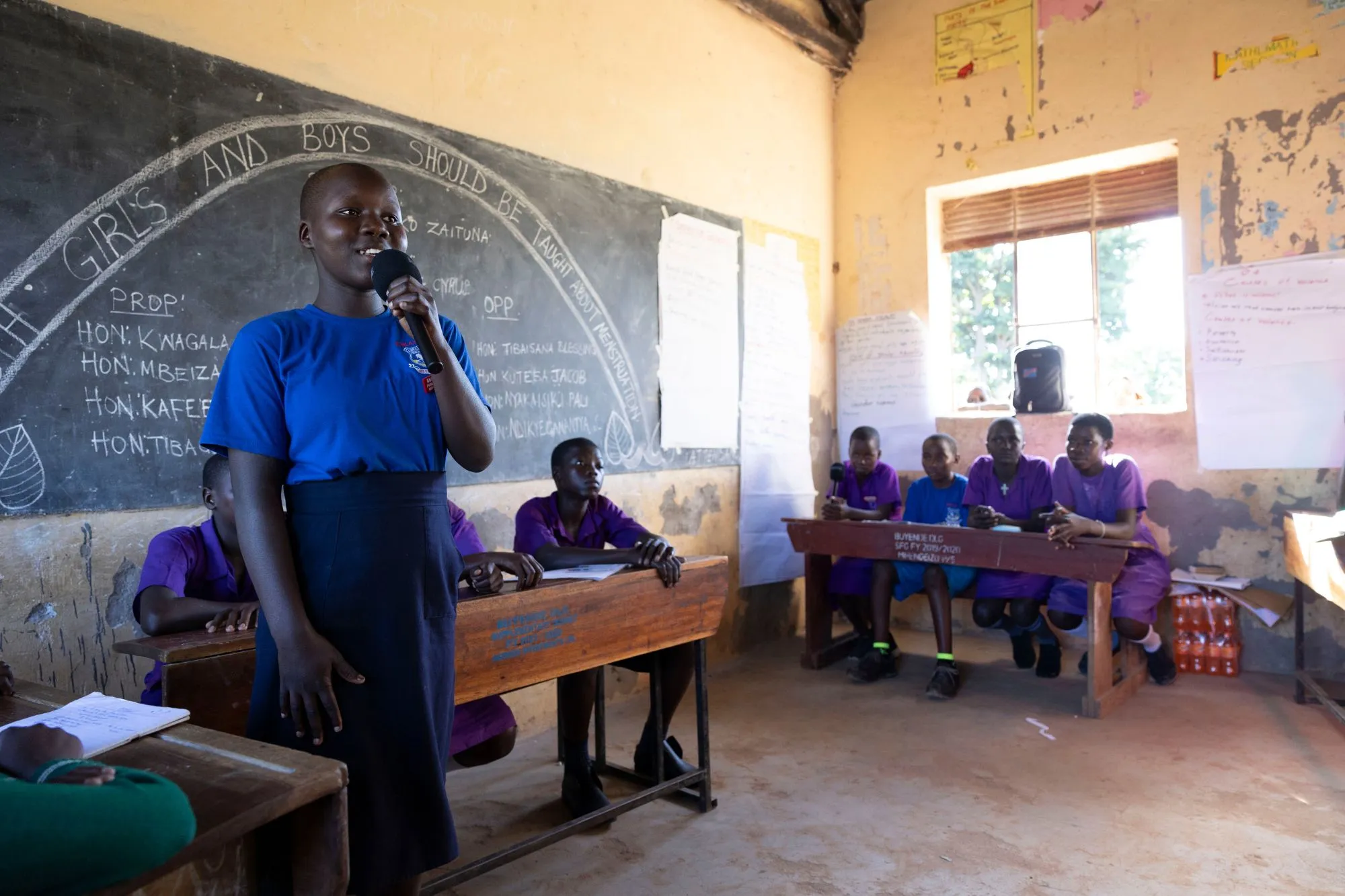
Building Confidence and Leadership
SHARE equips teachers to deliver age-appropriate, life skills-based education through play-based methods. Teachers like Ruth have learned to integrate comprehensive sexual education into their lessons using play-based methods. “Before the training, many girls would miss school for the first three days of their period. They faced shame, and some would even drop out entirely,” Ruth explains. “Now, the girls are in class.”
Youth clubs and mentorship programs have created safe spaces for learning and leadership. In Uganda, more parents now allow adolescents to join SRHR clubs and access services. Community dialogues have helped normalize discussions around condom use and sexual health rights.
A Systemic Shift in Health and Education
SHARE is also transforming health systems. In Ghana, the number of health facilities offering age-inclusive SRHR services increased from 13 to 19. In Uganda, youth seeking SRH support rose from 30% to 53%. Teachers are more confident and better equipped to support learners, with about 50% now familiar with national sexuality education standards. Health workers like Pauline in Uganda are helping build adolescent-responsive services. “We empower health workers to pass adolescent-responsive information to the adolescents,” she says. “This builds the capacity of young people to address their own issues”.
How SHARE Is Making a Difference
Meet the students and teachers who are breaking taboos, opening conversations, and transforming classrooms. These stories show how play-based learning is helping young people gain confidence, knowledge, and life skills that last.
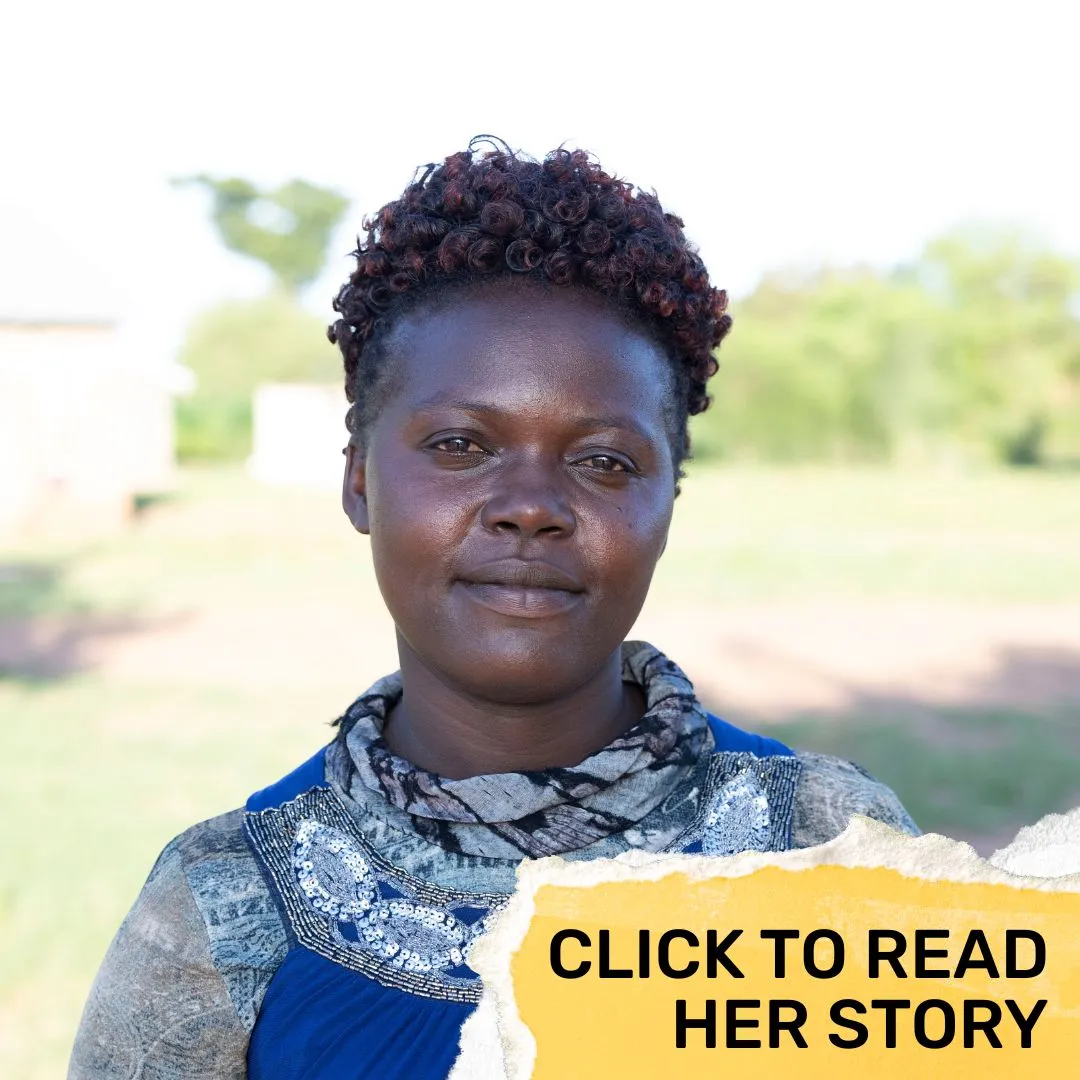
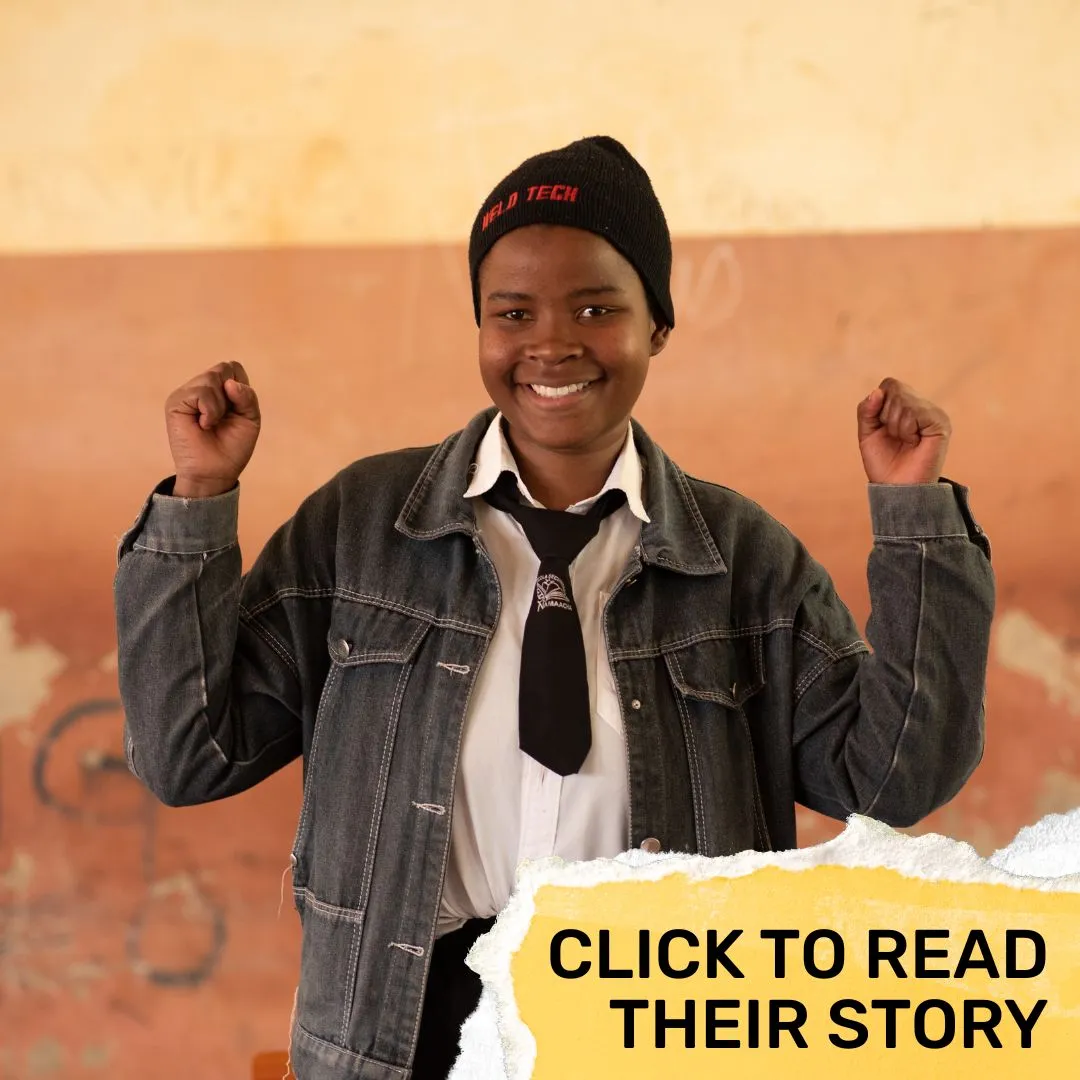
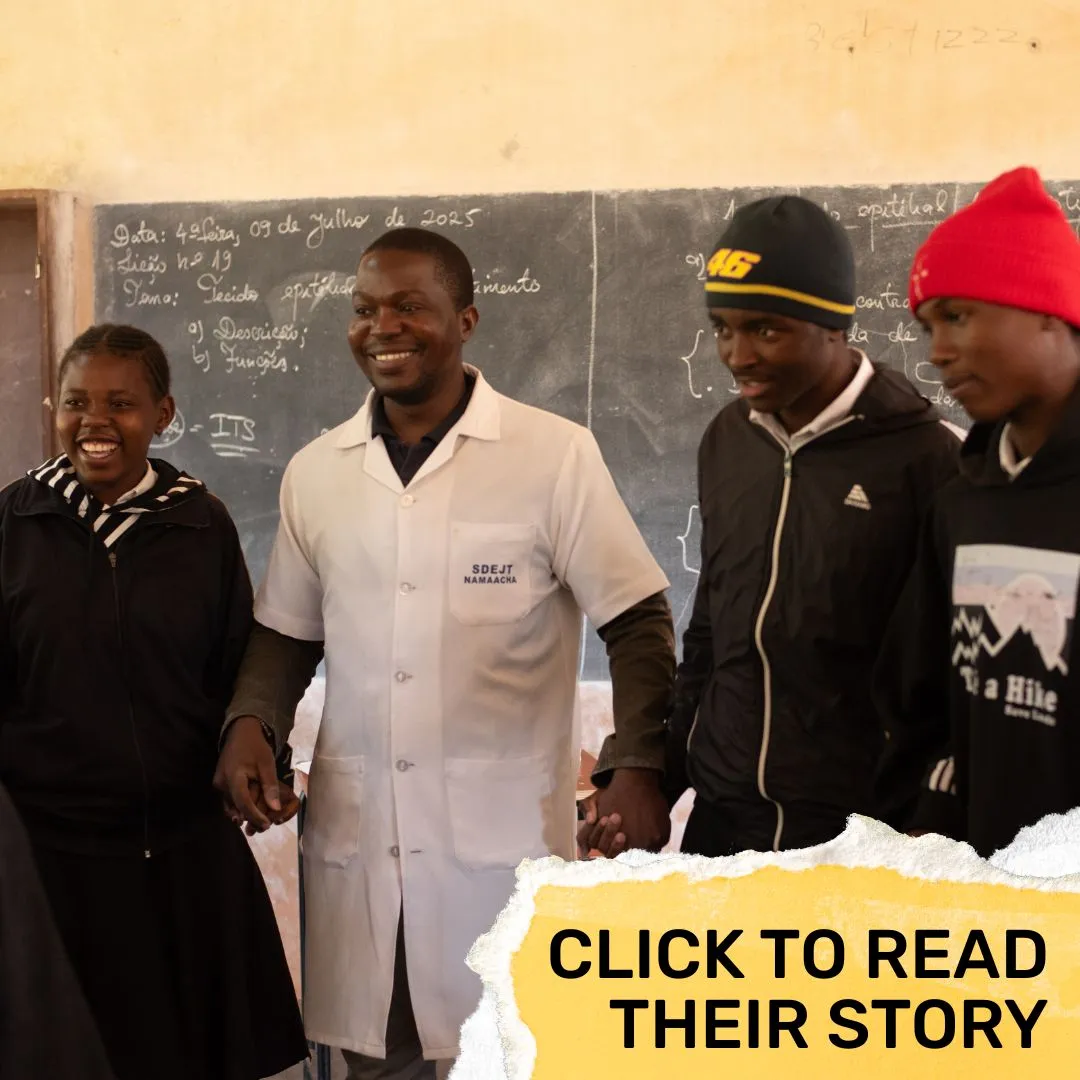
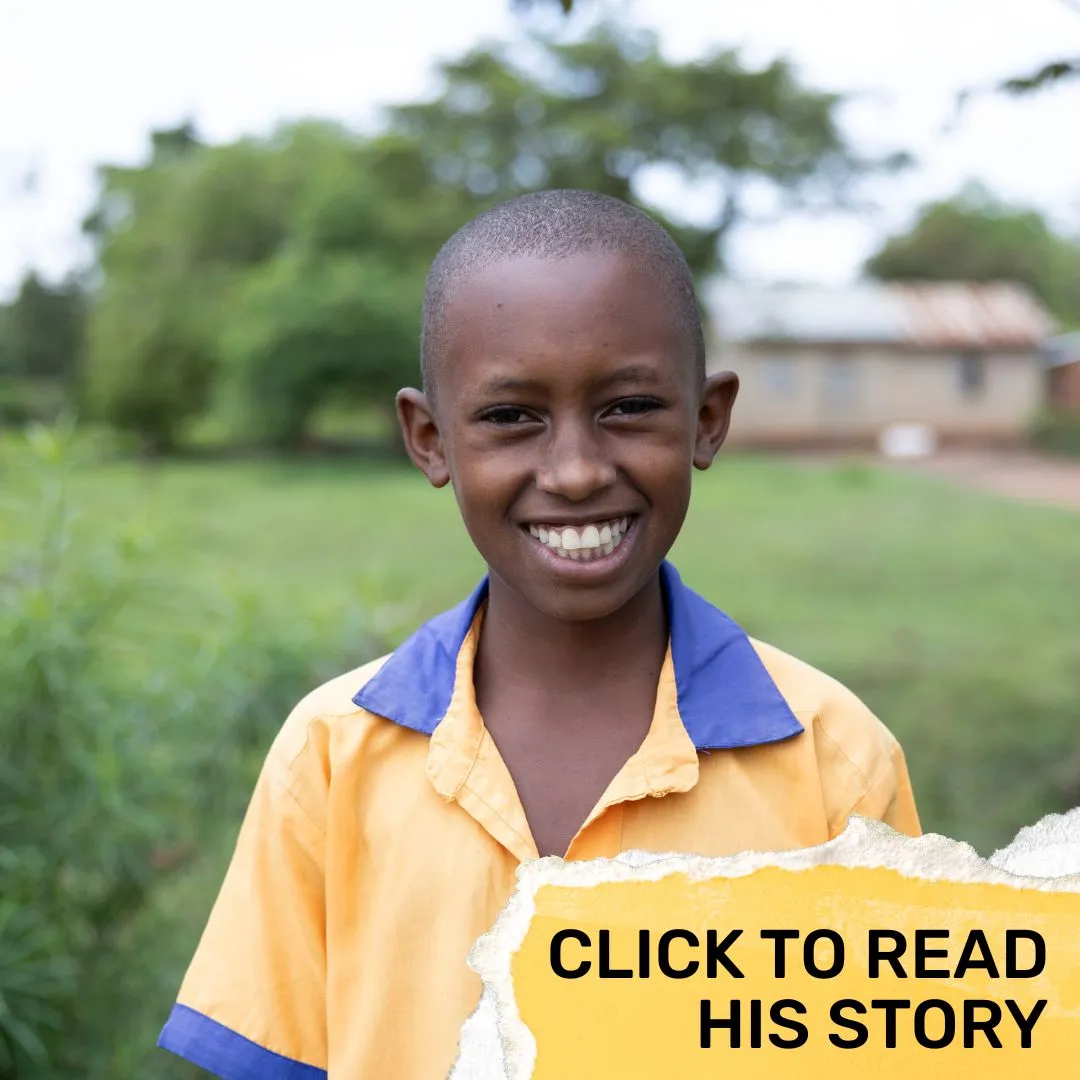
In Uganda, Ruth transformed her classroom, making lessons on health and gender inclusive, fun, and open for all.
Why It Matters
SHARE is not just improving knowledge, it’s shifting attitudes, strengthening systems, and creating lasting change. By integrating economic empowerment activities like menstrual pad-making workshops, the project supports independence and reduces barriers to care. By engaging boys and men, it promotes deeper gender reflection and leadership among youth. In classrooms, clinics, and communities, SHARE is helping young people—girls and boys alike—stay in school, protect their health, and shape their futures. It’s a model for how education, health, and empowerment can come together to build more equitable societies.
The SHARE project is implemented by Right To Play, FAWE, WaterAid, and FHI 360, with financial support from the Government of Canada through Global Affairs Canada. It aims to strengthen sexual and reproductive rights for more than 425,000 youth by 2026.

